From 1999 to 2009, an average of 1.3 structures were destroyed for every 4 square miles burned (1,000 hectares, or 10 square kilometers). This average more than doubled to 3.4 during the following decade, 2010-2020.

From 1999 to 2009, an average of 1.3 structures were destroyed for every 4 square miles burned (1,000 hectares, or 10 square kilometers). This average more than doubled to 3.4 during the following decade, 2010-2020.
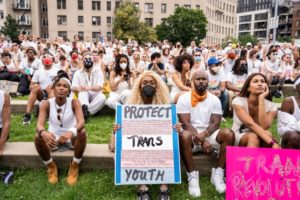
This year alone, state lawmakers have introduced a staggering 483 anti-trans bills, according to the Trans Legislation Tracker, which compiles information from civil rights groups and other sources. Only four states have not had an anti-trans bill introduced this session.
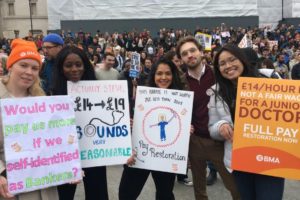
Not only are the strike days consecutive, but all doctors have been called out, including those who work in emergency care. This puts the BMA at the forefront of the present trade union upsurge, and it is a significant step forward from the union’s last wave of strikes in 2016, which ended with the government unilaterally imposing an unpopular contract on junior doctors.
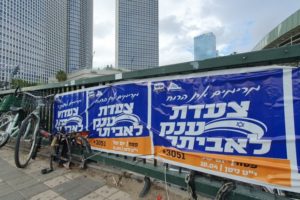
Senior officials in Israeli Prime Minister Benjamin Netanyahu’s far-right Cabinet—including National Security Minister Itamar Ben-Gvir and Finance Minister Bezalel Smotrich—and numerous right-wing lawmakers joined a crowd of as many as 20,000 pro-apartheid demonstrators who marched to Evyatar in a bid to legitimize the outpost, The Times of Israel reports.
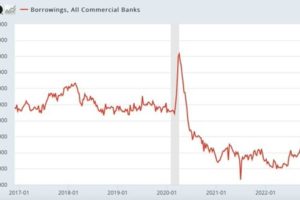
What is certain is that credit terms are tightening, bank lending will drop and companies in the productive sectors will find it increasingly difficult to raise funds to invest and households to buy big ticket items. That is going to accelerate economies into a slump this year.
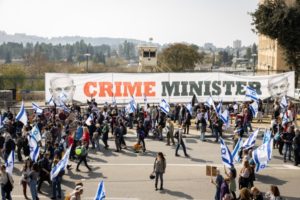
It is undeniable that the situation for Palestinians has become more dire over the last decade. The Israeli state has shifted even further to the right. After decades of military occupation, polls and surveys suggest that about 60 percent of Jewish Israelis favour segregation from Palestinian Israelis, and that 60 percent identify as right wing (rising to 70 percent among those aged 18-24).
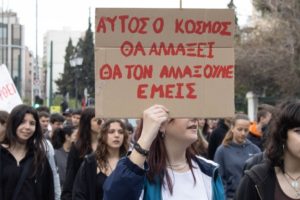
The emergence of mass mobilizations, during the “delicate” time of a pre-election period, is a rare phenomenon in Greek political history. And it seems like this will continue to be the case: Left-wing unionists are already pressuring for a new 24-hour general strike before the Easter holiday.

Many Latin American and Caribbean migrants are fleeing poverty and political or criminal violence and repression in their home countries, some of it caused by decades of U.S. imperial policies and actions in the region.
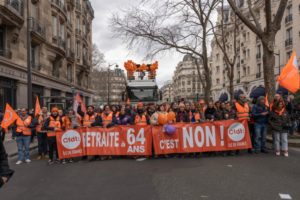
More work, less leisure, for lower real pay, in an increasingly insecure workforce, with growing pressure to work harder on the job, is the pattern as the capitalist class seeks to squeeze ever-greater levels of surplus value from its workforce.
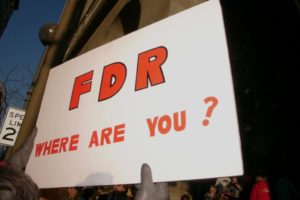
In a period of 8 years, Eric Blanc moved from being a keen critique of labor’s “suicidal subordination to the parties of the bosses” (2014) to the idea that the labor movement should engage in “some form of electoral alliance” with liberal Democrats (2022).
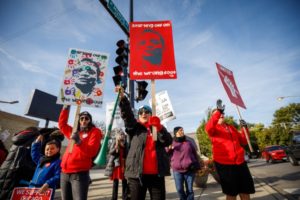
Whatever happens in this one-party Democratic Party city—the third largest in the country and one of its leading transportation, manufacturing, and technology hubs—will have national implications.

A financial crisis not seen since the global financial crash of 2008 appears to be unfolding. What will be the response of the monetary and financial authorities?

This collision is inconceivable, given the technology at our disposal in the 21stCentury. Yet all systems of tele-command, and even the signal lights, were out of function. This is not a question of some general technological backwardness of the Greek State.

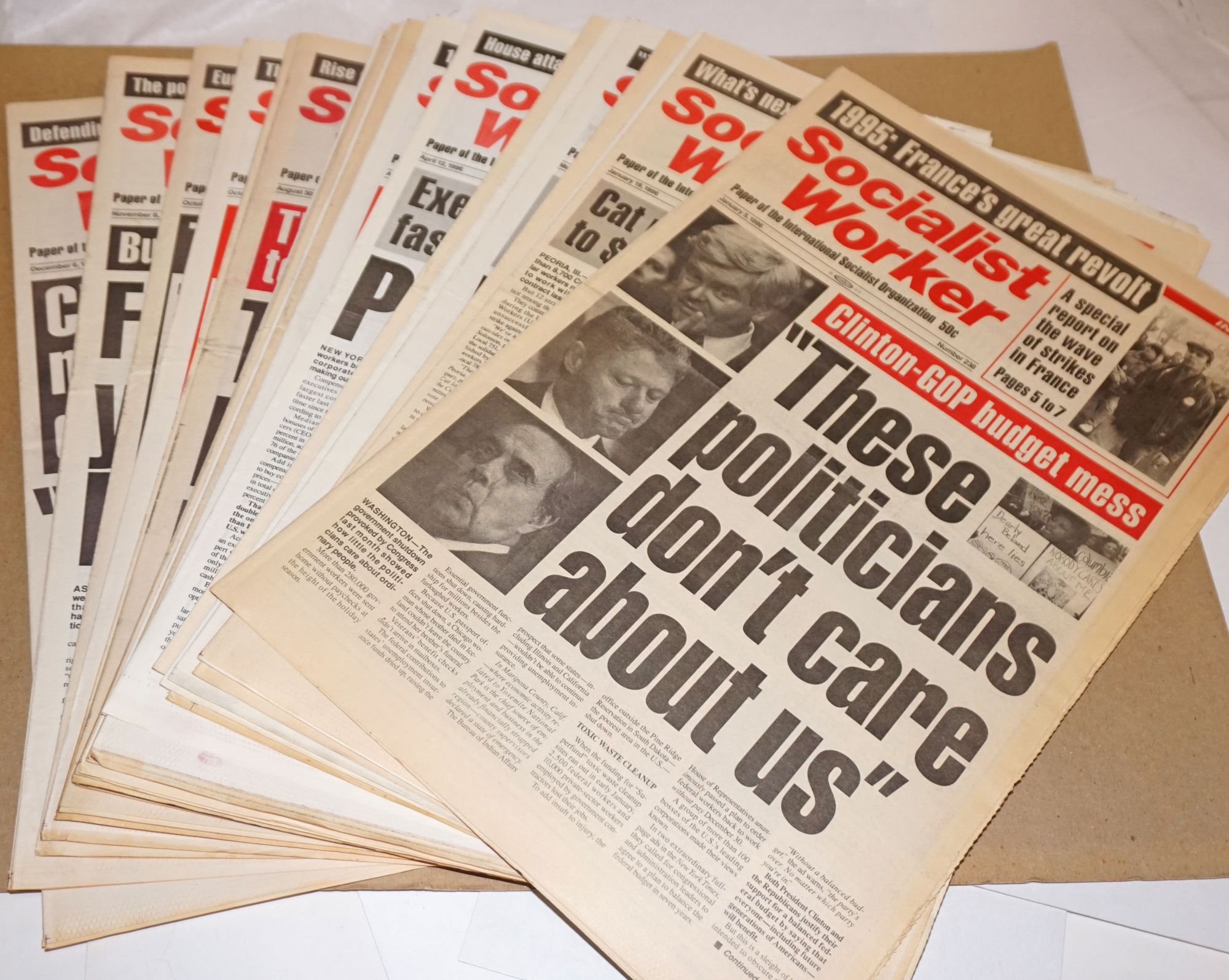
In this speech, Shawki describes the need for a sharp break from the narrow perspectives shared by most small revolutionary socialist organizations of the 1980s, 1990s and 2000s (and the vast majority, including the ISO, were very small) as necessary to break out from the margins of sectarianism, so that older generations of revolutionaries could reach out to newly radicalizing layers of people.
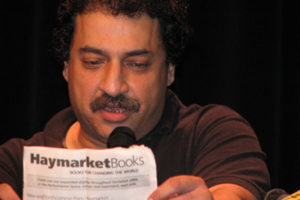
Ahmed was a sensational political orator, a great propagandist of revolutionary Marxist ideas. As an editor of his organization’s journal, he made International Socialist Review a “center” for Marxist debates with and international reach.